

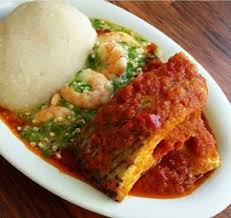
The Sweetness of African Cuisine: A Journey through the Flavors of the Continent
African cuisine is a tapestry of flavors, colors, and cultures. Often overlooked in the global culinary scene, it is a rich and diverse treasure trove of delicious dishes. African food is not only about its unique and complex flavors but also its sweetness – a key aspect of its culinary identity. In this exploration, we will delve into the world of African cuisine, discovering the delightful sweetness that characterizes it.
The Diversity of African Cuisine
Africa is a vast continent with a multitude of countries, each offering a unique culinary heritage. From the spicy dishes of North Africa to the aromatic stews of West Africa, and the savory flavors of the East, African cuisine is a tantalizing journey through diverse culinary traditions.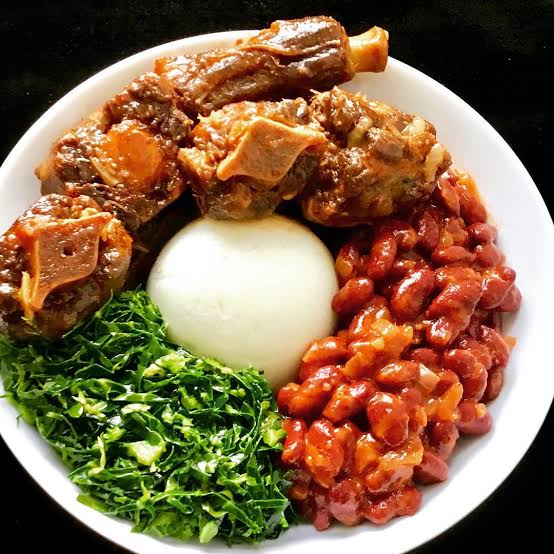
North African Sweet Delights:
The northern part of the continent boasts a variety of sweet treats. In Morocco, you’ll encounter delectable pastries like baklava and ma’amoul, often featuring a harmonious blend of honey, nuts, and spices. Dates, grown in abundance, are used in both sweet and savory dishes, adding a natural sweetness to tagines and couscous. Mint tea is another staple, offering a refreshing and sweet beverage.
West African Flavor Fusions:
West African cuisine is known for its bold flavors and a unique blend of sweet and spicy. The use of ingredients like palm oil, plantains, and yams results in dishes that are simultaneously sweet and savory. A popular example is jollof rice, a flavorful and slightly sweet one-pot dish often served with fried plantains.
East African Spices and Sweets:
East African cuisine is a mosaic of flavors, featuring aromatic spices and a balance of sweet and savory. The famous Ethiopian dish, injera, is a sourdough flatbread that pairs wonderfully with sweet and spicy stews. Zanzibar, a spice island, offers a tantalizing array of dishes with a hint of sweetness, such as pilau rice and the renowned Zanzibar pizza, a sweet and savory snack.
Central and Southern African Comfort Foods:
Central and Southern Africa are regions where hearty and comforting dishes take center stage. Fufu, a staple in many Central African countries, is a starchy side that pairs well with sweet and spicy soups or stews. In Southern Africa, don’t miss out on bobotie, a sweet and savory dish that combines spiced minced meat with a custard topping.
Sweetness in Ingredients
African cuisine incorporates a wide range of ingredients that contribute to its unique sweetness. Some of the key elements include:
Plantains: This starchy fruit is a beloved ingredient across Africa. Whether fried, mashed, or added to stews, plantains provide a natural sweetness and a delightful texture.
Yams: Yams are a staple in West African cuisine. They have a natural sweetness that comes to the forefront when roasted, mashed, or used in stews.
Honey: Honey is a common sweetener in African dishes, especially in North African and East African cuisines. It’s used in various forms, from drizzling over pastries to adding to tea and stews.
Dates: Dates are prevalent in North African and Middle Eastern cuisine. They are often included in both sweet and savory dishes, providing a luscious sweetness.
Tamarind: Tamarind is a tropical fruit widely used in African cuisine. It adds a tangy and sweet flavor to various dishes, such as soups and sauces.
Palm Sugar: In West Africa, palm sugar is a common sweetener. It’s made from the sap of palm trees and adds a distinct sweetness to dishes.
Coconut: Coconut is another ingredient that features prominently in many African dishes, especially in the coastal regions. It’s used in a variety of forms, from coconut milk to shredded coconut for texture and sweetness.
Delightful Desserts
African desserts are often a delightful conclusion to a satisfying meal, featuring an array of flavors and textures that are sure to please any sweet tooth.
Mandazi (East Africa):
Mandazi is a deep-fried doughnut-like pastry with a hint of coconut milk, cardamom, and sometimes sugar. These sweet and fluffy treats are popular snacks or desserts.
Klappertaart (Indonesia and South Africa):
Klappertaart, a dessert shared between Indonesia and South Africa, is a custard-like dish made from coconut, milk, and butter. It’s often served with a sprinkling of cinnamon and raisins.
Atarodo (Nigeria):
Atarodo, also known as pepper candy, is a spicy-sweet treat made from scotch bonnet peppers and sugar. It’s a unique combination of fiery heat and sugary sweetness.
Couscous aux Amandes (North Africa):
Couscous aux Amandes is a sweet couscous dessert made with almonds, honey, and a touch of cinnamon. It’s a delightful way to end a North African meal.
Amarula Don Pedro (South Africa):
Amarula Don Pedro is a South African dessert cocktail featuring Amarula cream liqueur, ice cream, and a shot of espresso. It’s a sweet, creamy indulgence.
A Taste of Africa: Sweetness and Cultural Significance
In African culture, food is not just sustenance; it’s a way of connecting, celebrating, and expressing love. The sweetness in African cuisine often holds cultural significance and is used to mark special occasions and ceremonies.
Feasts and Celebrations:
Sweet dishes are often reserved for festive occasions, such as weddings, birthdays, and religious celebrations. For example, in Nigeria, chin-chin, a sweet and crunchy snack, is a must-have at celebrations.
Hospitality and Generosity:
Offering sweet treats to guests is a gesture of hospitality and generosity in many African cultures. It’s a way of showing warmth and care to visitors.
Tradition and Heritage:
The recipes for sweet dishes are often passed down through generations, preserving the cultural heritage and the importance of these flavors in African cuisine.
Conclusion
African cuisine is a rich and diverse tapestry of flavors, and its sweetness is a key element that adds depth and richness to the culinary experience. From the savory-sweet dishes of West Africa to the aromatic flavors of North Africa and the tangy-sweet delights of East Africa, the continent’s cuisine is a journey through diverse cultures and ingredients.
Whether you’re indulging in a delectable plate of Moroccan baklava, savoring the spiced sweetness of West African jollof rice, or enjoying the comforting warmth of South African bobotie, African cuisine offers a delightful and unique sweetness that reflects the continent’s rich culinary heritage. It’s not just about the taste but also the culture, traditions, and warm hospitality that accompany these sweet dishes. Africa’s sweetness is an integral part of its identity and a testament to the continent’s culinary excellence.








Leave a Reply