


Fashion: A Tapestry of Tradition and Innovation
Nigerian fashion is a compelling blend of tradition and innovation, effortlessly merging centuries-old textile craftsmanship with contemporary designs. Here’s a deeper look:
Traditional Attire:
Traditional Nigerian attire is an essential part of cultural identity. Different ethnic groups have distinct clothing styles. The Yoruba, for instance, are known for their colorful and ornate Aso-oke fabric, while the Igbo people have their George and Isi Agu fabrics, and the Hausa are famous for the flowing Boubou robes. These traditional garments are not only symbols of heritage but also works of art.
Contemporary Nigerian Designers:
Nigeria has produced a wave of talented fashion designers who are making a significant impact on the global stage. Designers like Lisa Folawiyo, Deola Sagoe, and Orange Culture are renowned for their ability to blend traditional aesthetics with modern trends, creating clothing that appeals to both local and international audiences.
Aso-Ebi and Owambe Culture:
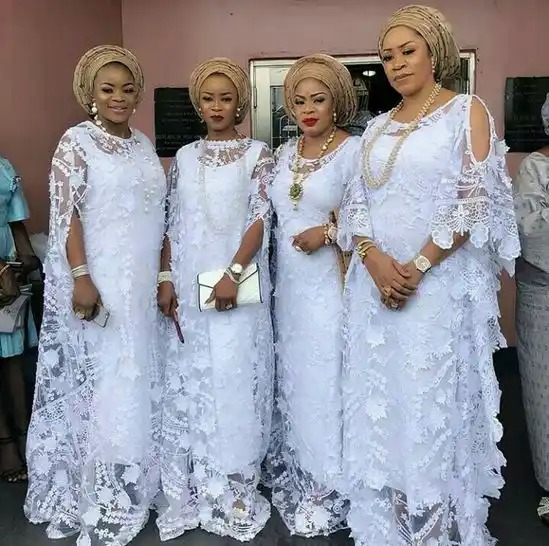
Aso-Ebi refers to the practice of wearing matching fabrics at social events like weddings. This tradition has evolved into a fashion statement, as people compete to showcase the most stylish and unique outfits at “Owambe” (Yoruba for “it’s there”) gatherings, which are characterized by grandeur and celebration.
Nollywood’s Fashion Influence:
Nigeria’s booming film industry, Nollywood, has a significant impact on fashion trends. Actors and actresses are style icons, and their on-screen wardrobes often influence fashion choices.
Adire and Batik:
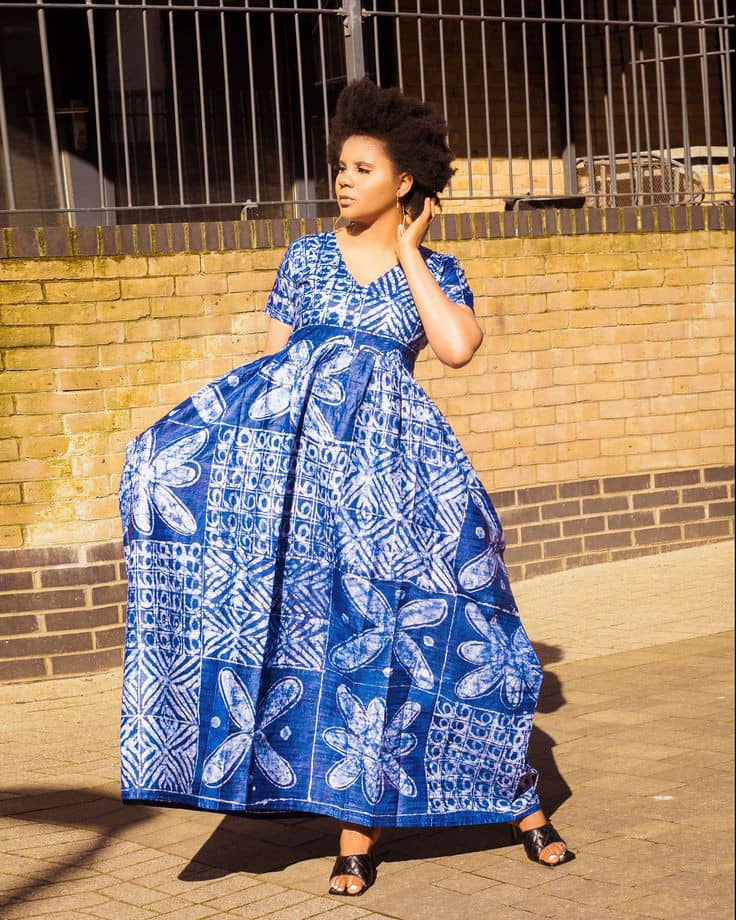

Adire and Batik are traditional Nigerian fabrics, often hand-dyed and printed with intricate patterns. These textiles are used for clothing, accessories, and home decor, contributing to the nation’s rich textile heritage.
Food: A Culinary Kaleidoscope
Nigerian cuisine is a culinary kaleidoscope of flavors, featuring an array of ingredients and cooking methods. It’s a reflection of the country’s diverse cultures and traditions.
Staples and Sauces:
Staples like yam, cassava, rice, and maize are common in Nigerian cuisine. They are often accompanied by an array of flavorful sauces and soups, such as egusi, okra, or banga, made from ingredients like palm fruit, groundnuts, or leafy vegetables.
Jollof Rice:
Jollof rice is a beloved West African dish, and Nigerians take immense pride in their version. Prepared with rice, tomatoes, and an assortment of spices, it’s a flavorful, one-pot meal that’s central to celebrations.
Suya and Small Chops:
Street food culture is vibrant in Nigeria. Suya, skewered and grilled meat, is a popular snack. Small chops are an assortment of finger foods, including spring rolls, samosas, and puff-puff, perfect for gatherings.
Delicacies by Region:
Nigeria’s cuisine is regionally diverse. In the North, you’ll find dishes like tuwo shinkafa (rice pudding) and kilishi (spiced dried meat). In the South, seafood is abundant, and dishes like edikang ikong and afang soups are popular.
Chin-Chin and Boli:
Chin-chin is a sweet and crunchy snack made from a simple combination of flour, sugar, and spices. Boli is grilled plantains, often served with spicy peanut sauce.
Music: The Heartbeat of Nigeria
Nigeria’s music is often referred to as the “heartbeat of Africa.” It’s a dynamic and ever-evolving scene that has made a global impact.
Afrobeat:
Nigeria is the birthplace of Afrobeat, a genre pioneered by Fela Kuti. Afrobeat blends traditional Nigerian rhythms with jazz and funk, creating a sound that’s both politically conscious and dance-inducing.
Afrobeats:
In recent years, Nigeria has seen the rise of Afrobeats, a genre that incorporates elements of hip-hop, dancehall, and funk. Artists like Wizkid, Burna Boy, and Davido have propelled Afrobeats to international acclaim, collaborating with artists from around the world.
Highlife:
Highlife, with its jazzy horns and palm-wine guitar, has a special place in Nigerian music history. It’s known for its upbeat and joyous sound, often associated with celebrations.
Gospel Music:
Nigeria’s gospel music scene is vibrant, with artists like Sinach and Tope Alabi gaining global recognition. Gospel music plays a significant role in the country’s religious and cultural life.
Nollywood Soundtracks:
Nigerian film industry, Nollywood, often features memorable soundtracks. These songs contribute to the overall entertainment value of the movies and are sometimes the most enduring part of the film.
The Role of Music in Social Commentary:
Nigerian music has historically been a vehicle for social and political commentary. Artists have used their songs to address societal issues, corruption, and human rights, reflecting the country’s complex history.
In conclusion, Nigeria’s fashion, food, and music are not just aspects of culture; they are the heart and soul of the nation. They provide a canvas on which the country’s rich history, traditions, and contemporary dynamism are expressed. Nigeria’s fashion showcases the nation’s artistic and sartorial prowess, its food is a feast of flavors that reflects the diversity of its people, and its music is a dynamic and influential force that resonates globally. Together, these elements make Nigeria a cultural powerhouse and a source of inspiration for the world.








Leave a Reply