

The 10 Best Baby Lotions, According to Dermatologists
Best baby lotions
- Best lotion for baby’s dry skin: Aquaphor Baby Healing Ointment
- Best baby lotion for eczema: Aveeno Baby Eczema Therapy Moisturizing Cream
- Best natural baby lotion: California Baby Super Sensitive Cream
- Best baby lotion for sensitive skin: Mustela Hydra Bebe Body Lotion
- Best smelling baby lotion: Johnson’s Bedtime Baby Lotion
- Best unscented baby lotion: Baby Dove Fragrance Free Moisture Hypoallergenic Lotion
- Best organic baby lotion: Earth Mama Sweet Orange Lotion
- Best baby face lotion: SeboCalm Baby Face Cream
- Best for the whole family: The Honest Company Organic All-Purpose Balm
- Best budget baby lotion: Hello Bello Premium Baby Lotion
While it might seem like the list of things you need to buy for your new baby (or baby-to-be) is miles long, there are really only a handful of necessities that you’ll use regularly — and for some people, one of those is baby lotion.
Just like you lather your skin with body lotion to fight dryness, your baby might experience dry skin, too.
In fact, their brand new skin may be even more prone to dryness, water loss, and potential irritation because it’s thinner than adult skin, notes Marisa Garshick, MD, a dermatologist at Medical Dermatology & Cosmetic Surgery (MDCS) in New York City.
While it’s often best to avoid potentially disturbing your baby’s skin with unnecessary products, you may find that your baby needs lotion. If that’s the case, our guide or your pediatrician can help you determine which product to use.
When to use baby lotion
Baby skin is generally best suited for a less-is-more approach.
It’s normal for babies’ skin to go through some transitions as they adjust to life outside the womb in the first few days and weeks, so don’t be alarmed if you notice some acne or peeling early on.
Don’t worry too much about these changes, unless your baby seems uncomfortable. If they do, consider talking to your pediatrician.
Infant skin problems, including dry skin, can be caused by unnecessary skin products. Many babies won’t need lotion. In fact, most babies’ skin generally doesn’t need much of anything other than an occasional sponge bath.
If you do decide to apply lotion to your infant, the best time to use it is right after bathtime. Using lotion after a bath could help lock in moisture and support the skin barrier, says Garshick.
However, don’t bathe your baby just to put lotion on. In fact, young babies don’t need a bath every day and when they do get a bath, they don’t need soap. Soap can actually increase the risk of dry skin and skin irritation.
What to look for in a baby lotion
Because baby skin is naturally more delicate, you’ll want to look for baby lotions that are formulated without harsh ingredients that can be rough or irritating to your child’s sensitive skin.
Ingredients to avoid
Simple is best, according to Garshick. That means avoiding products with fragrances, preservatives, parabens and sulfates. Alcohol is another important ingredient to avoid, as it can be especially drying on infant skin.
Lotions vs ointments and creams
When shopping for baby lotion, you might come across some products that are called creams or ointments. “Lotions are the thinnest, lightest type of moisturizer because they contain the highest percentage of water, so they are absorbed quickly,” says Brendan Camp, MD, a dermatologist at MDCS.
“Creams contain more oil than lotions, and as a result feel heavier but are still easy to spread on the skin, and ointments contain the most oil by concentration.” Ointments, Camp explains, are best for targeting areas of extremely dry skin.
How we chose the best baby lotions
When creating this list, we relied heavily on the advice of board certified dermatologists to ensure that we were selecting lotions containing the most beneficial and non-harmful ingredients.
We also considered Environmental Working Group (EWG) ratings, as well as customer reviews.
Pricing guide
- $ = under $10
- $$ = $10–$20
- $$$ = over $20
Healthline Parenthood’s picks of the best baby lotions
Best lotion for baby’s dry skin
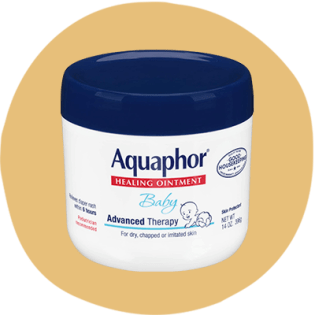
Aquaphor Baby Healing Ointment
- Price: $$
- Key ingredients: petrolatum, mineral oil, lanolin, glycerin
When it comes to treating very dry infant skin, your best bet is a petroleum-based ointment, according to Garshick.
You might be already familiar with Aquaphor’s fragrance- and preservative-free ointment, but this is their baby-focused variety.
“It contains 41 percent petrolatum, which helps to protect the skin, and also contains panthenol and glycerin to help moisturize and nourish the skin,” says Garshick. “It can be used not only for dry skin, but also to protect the skin on the diaper area or for little cuts and scrapes.”
Pros
- It can be used all over your baby’s body.
- The ointment doubles as a diaper rash cream.
- It’s safe for dry, chapped, or irritated skin.
Cons
- The ointment doesn’t absorb quickly into the skin.
- Some reviewers warn that the product may arrive cracked.
- It’s not great for babies with wool allergies, due to the lanolin.







Leave a Reply