

Shaakara: Africa’s Female Economy & the Future of Health, Innovation & Opportunity 2025
Africa Female Economy 2025
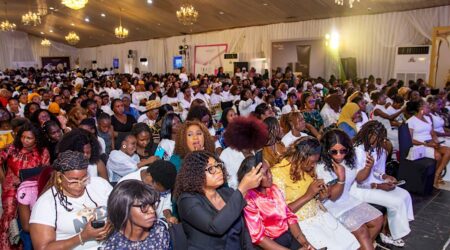
At the 2025 Africa Soft Power Summit in Nairobi, I joined an exceptional group of leaders for a conversation that stayed with me long after we left the stage. The panel, “Beauty, Balance, and Billions: The Female Economy & Modern Health,” was one of those rare rooms where honesty, ambition, and energy rose with every contribution.
But beyond the brilliance in the room, I left with a sharper conviction:
Africa’s future growth engine sits at the intersection of women, innovation, and well-designed systems — and we are only scratching the surface of what is possible.
Africa Female Economy 2025
Women at the Centre of Africa’s Emerging Story
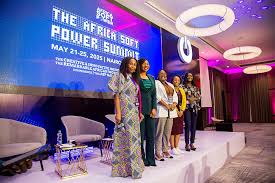
The summit’s broader theme — “Aligning the Flow of Money, Innovation, and Global Opportunities” — captured something essential about this moment on the continent.
Across conversations on AI governance, creative industries, digital tax, remittances, trade, and data sovereignty, one truth became clear:
Women sit at the centre — as consumers, creators, carers, entrepreneurs, and system-shapers.
This reflection is not about the panel itself.
It is about what that conversation revealed about where Africa is going — and what we must build next.
The Female Economy Is a System Driver, Not a Niche
In beauty, health, and wellness, African women are both the backbone and the blueprint. They shape demand, influence markets, and sustain local economies. Yet far too many products, technologies, and policies are still built around women instead of with women.
A question lingered for me from the panel:
What would Africa look like if our health and innovation ecosystems were built around the real rhythms of women’s lives?
We already have hints of the answer.
Across 29 African countries, I’ve seen the shift that happens when systems recognise women as architects. When eHealth Africa deploys digital planning tools, for example, 70% of frontline users are women. Tasks that once took weeks now take under an hour.
This isn’t just efficiency.
It is dignity, time, agency, and well-being — a wellness intervention, an economic intervention, and a systems intervention.
Wellness Is Not a Luxury — It Is Infrastructure
One major insight from the panel was the need to reframe the concept of wellness in Africa.
Wellness is often marketed as indulgence, yet for African women who hold families, microbusinesses, and communities together, wellness is survival. It determines long-term health outcomes and underpins resilience.
African brands like Uncover, Zuri Health, and Daya Hub are responding to this reality — but we must go further.
If we want healthier societies, wellness must be built into Africa’s operating system:
-
Technologies that reduce cognitive load
-
Tools that respect women’s time
-
Solutions informed by cultural intelligence
-
Products tested with African women at the centre
-
Systems built around local languages, data rights, and African definitions of beauty and wellbeing
These are not “nice to have.”
They are the foundation for population-level progress.
Innovation Must Be Context-Aware
Africa does not need more imported ideas disconnected from local realities.
We need innovation that is grounded, ethical, and context-aware.
The conversation on AI and biotech in beauty and health made one thing clear:
Africa’s potential is enormous — if we build guardrails rooted in African values, accountability, and data sovereignty.
This requires difficult but essential questions:
-
What ethical lines must never be crossed for African women?
-
Who owns the data that fuels these systems?
-
How do we protect traditional knowledge while scaling innovation?
-
How do we ensure African women are co-creators and IP owners, not just consumers?
Innovation must be matched by governance — and Africa can lead here, not follow.
The Female Economy: A Missed Trillion-Dollar Opportunity
A powerful part of the discussion centred on investment.
African women drive most consumer spending, sustain health systems, anchor communities, and shape cultural narratives — yet they receive only a fraction of available capital.
This is not just a moral issue.
It is an economic, market, and systems argument.
Africa cannot unlock its full potential while underinvesting in the demographic carrying its social and economic load.
A transformative model would:
-
Finance women-led businesses
-
Use gender-intelligent fund structures.
-
Reward long-term value
-
Support women through seasons of care.
-
Invest in caregiving, safety, and health infrastructure
There is no billion-dollar African future without women’s wellbeing at the centre.
Africa Needs Collaboration, Not Silos
One remarkable strength of the Africa Soft Power Summit was its intentional merging of topics that usually live in separate rooms: AI, finance, beauty, wellness, climate, policy, trade, and creative industries.
This is exactly the lens Africa needs.
Our challenges are interconnected — so our opportunities must be too.
We cannot discuss:
-
Women’s health without digital access
-
Wellness without mental load
-
Innovation without ethics
-
Economic growth without care systems
-
African beauty without identity and narrative power
The future belongs to leaders who can bridge these intersections.
What We Build Next Matters
Reflecting on Nairobi, I am hopeful — and clear about what must come next:
-
Systems intentionally designed around women.
-
African-led standards for innovation and ethics
-
Investment models that reward care and community
-
Digital tools that speak local languages
-
Cross-sector coalitions that go beyond talk to action
-
Meaningful support for African women as creators, owners, and decision-makers
Africa’s soft power is not soft.
It is strategic, economic, and culturally — rooted in the agency of its women and the creativity of its people.
If we continue building together across sectors and countries, we can move far beyond conversation into a continent that reflects the fullness of our ambition.
If you were at the Summit, I’d love to know what stayed with you.
If you weren’t, I hope these reflections bring you into the room.
Africa’s next chapter depends on the choices we make now — and the coalitions we are bold enough to build.
About the Author
Ota Akhigbe is the Director of Partnerships & Programs at eHealth Africa. She leads multi-country health systems innovation across Sub-Saharan Africa, working at the intersection of public health, technology, and gender equity to build stronger, more inclusive systems.
Source: Africa Female Economy 2025
At Shaakara Africa, we celebrate the vibrancy and diversity of African fashion, entertainment, beauty, and lifestyle. Our platform serves as a nexus where beauty meets business, offering an online open market for public awareness of various bargains and offerings. We speak beauty, fashion, entertainment, and lifestyle, providing a space where businesses can showcase their products and services to a broader audience.





Leave a Reply