

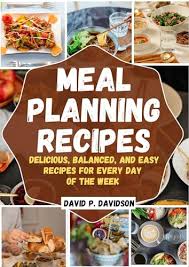

Sensory-Powered Success: Your Ultimate Guide to Meal Planning for a Tasty, Balanced, Budget-Smart Life
Sensory-Powered Success: Your Ultimate Guide to Meal Planning for a Tasty, Balanced, Budget-Smart Life
In a world of rising food prices and hectic routines, creating harmony between health, time, and cost can feel overwhelming. Yet, with a well-structured guide to meal planning, you can take control of your kitchen, your wallet, and your wellbeing. This isn’t just about writing down a grocery list. It’s about simplifying your life, reducing waste, and making daily meals meaningful.
Welcome to a flavorful journey where smart planning meets delicious possibilities—an approach that feels as rewarding as it tastes. This practical guide walks you through the vibrant rhythm of African kitchens, especially in households where bulk-buying and freezer organization are a way of life.
Why Meal Planning Matters More Than Ever
Meal planning is more than a domestic chore—it’s a mindset shift. For Nigerian families, this method resonates with how we grew up: buying tomatoes in baskets, grinding pepper in bulk, and freezing stews for later. Today, this tradition has transformed into a powerful budgeting tool and wellness strategy.
In a country where many juggle school, careers, and side hustles, time and money are precious resources. Meal planning helps reclaim both. It offers structure, encourages intentional eating, and curbs impulse spending. It’s about making the most of your resources while still enjoying every bite.
At Shaakara Africa, we understand that beauty isn’t just skin deep. It simmers in the home-cooked meals that bond families, the budget hacks that empower parents, and the love that stirs every pot.
Step 1: Understand Your Household’s Dietary Needs
Before you stock your pantry, reflect on your family’s food preferences and health conditions. Is there a diabetic or gluten-sensitive member? Are you planning around toddlers, teenagers, or elders?
By listing favorites and no-gos, you’ll craft a meal plan that satisfies both taste and health. This step prevents stress during meal times and helps create diverse, nourishing menus that please everyone at the table.
Keep it colorful. Think local veggies, grains, fruits, and proteins. Your plate should reflect the rainbow and the richness of Nigerian cuisine.
Step 2: Set a Realistic Budget
Planning starts with knowing your limit. Set a weekly or monthly food budget that aligns with your earnings and other expenses. Then divide it among essentials: groceries, dining out, and emergency cravings.
Stay informed. Visit your local markets and price check common ingredients. Apps like Pricepally, OjaNow, or even Instagram vendors can give you real-time insights.
This stage gives you financial clarity, reduces food waste, and empowers you to make thoughtful purchases without breaking the bank.
Step 3: Build Your Grocery List
Now that you know what to cook and how much to spend, write down every ingredient. A good rule? Shop your kitchen first. Check your freezer, pantry, and fridge before heading to the market.
Then list what’s missing. Group your list into categories like proteins, grains, fresh produce, spices, and extras. Stick to the list religiously. This avoids spontaneous purchases and keeps you within budget.
Consider using tools like Google Keep or the Mealime app for digital shopping lists that sync with your meal plan.
Step 4: Embrace Batch Cooking
Time-saving and satisfying, batch cooking turns your Sundays into productivity power hours. Cook your base sauces, boil rice in bulk, grill chicken, or portion soups into freezer containers.
Whether you live alone or with a family of five, prepping staples like beans, stews, and yam porridge can save hours during the week.
Pro tip: Label containers with dates to track freshness and rotate your meals.
Step 5: Flexibility Is Key
Plans are only as good as their adaptability. Market prices fluctuate, and ingredients may run out. Your child might suddenly hate okra. Stay calm.
Swap out ingredients or tweak recipes using what you have. Don’t discard leftovers—reinvent them. Yesterday’s stir-fry could become today’s fried rice. A stew base could become a pepper soup. Cooking is a creative process.
Step 6: Review, Adjust, Improve
At the end of each week or month, sit down and assess. Did you stay within budget? Was the food enjoyable? What can you change?
A guide to meal planning is dynamic. As your schedule, taste, and budget evolve, so should your plan. The goal is not perfection—it’s progress.
You’ll begin to notice not only savings but also a reduced dependency on takeout, better energy levels, and less stress during the week.
Shaakara Africa—Your Lifestyle Partner
At Shaakara Africa, we believe in the elegance of a planned life. We speak beauty, fashion, entertainment, and lifestyle while helping brands and individuals present their value in a digital exhibition space that blends information with inspiration.
This guide to meal planning aligns perfectly with our vision: to empower African households with smart, sustainable living tips that reflect cultural wisdom and modern convenience. Our content is rooted in real-life needs and crafted to educate, entertain, and elevate.
For visually vibrant content, daily lifestyle inspiration, and affordable local brand discoveries, Shaakara is your go-to platform.
Take Action Now
Ready to change the way your kitchen works? Begin planning. Sketch your meals. Prep your shopping list. Batch cook this weekend.
Source: Sensory-Powered Success
And remember—Shaakara Africa is here for more than food talk. We celebrate African beauty, fashion, food, and brilliance. Whether you want delicious recipes, bold fashion features, or an online marketplace to showcase your offerings, we’ve created a space that honors your hustle and your style.
📞 For inquiries and Ad placements, call +234 911 416 6874.
✨ Shaakara—the voice of modern Africa. Your lifestyle, your culture, your story.








Leave a Reply