


Dressed to Kill 2025: When bad people (on-screen) look good
In 2025, on-screen villains aren’t just dangerous—they’re stylish. Across films and OTT shows this year, costume designers have transformed bad characters into visual icons, using fashion to signal power, eccentricity, or hidden menace. From impeccably dressed serial killers to suave criminals blending into society, their wardrobes shape how audiences perceive their threat. Here’s a look at the standout styles that made 2025’s villains as memorable for their looks as for their deeds.
Charles Sobhraj in Black Warrant
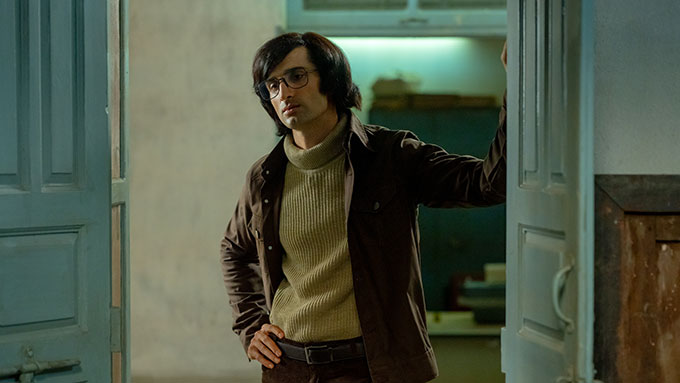
The Netflix series, based on the non-fiction book Black Warrant: Confessions of a Tihar Jailer by Sunil Gupta and Sunetra Choudhury, sees actor Sidhant Gupta play the French serial killer Charles Sobhraj. Costume designer Shruti Kapoor dresses Gupta’s Sobhraj in turtlenecks, denim and corduroy jackets—with shirt collars overlapping the jacket lapels rather than staying tucked under—and well-tailored bell-bottom pants. As a prison-mate, Sobhraj’s character stands out for being distinctive through the effort he puts in his crisp outfits. A sartorial specialness marks every appearance, especially when he spouts words of ‘wisdom’ to the protagonist (Zahaan Kapoor) and fellow prisoners.
Gabriel in Mission Impossible: Dead Reckoning
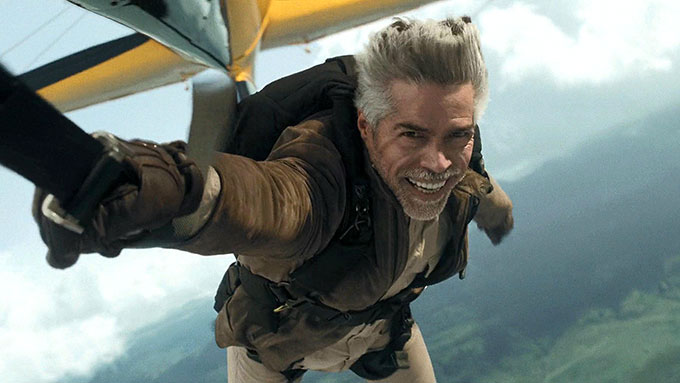
As Gabriel, Esai Morales often wears stark white attire—marking a contrast to Ethan Hunt’s (Tom Cruise) affinity for black. He also wears brown suede and leather jackets and dark overcoats, which add a dramatic flair to his persona. Crucial to the wardrobe: a watch with a countdown screen, which becomes key to the plot. Costume designer Jill Taylor lends an old-world charm to Gabriel’s character, even as he ushers in a modern, dystopian surveillance age that threatens the world order.
Saja Boys in KPop Demon Hunters
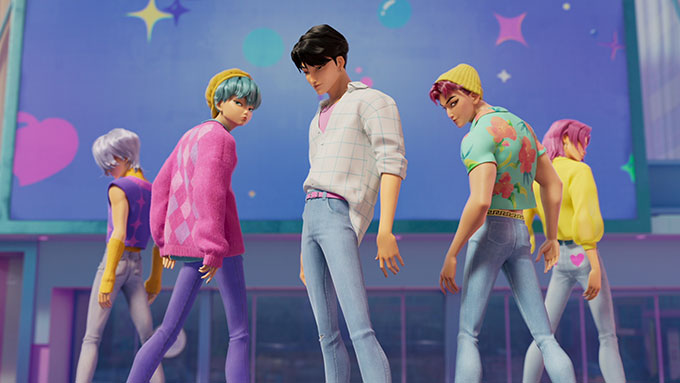
The animated musical that has been the year’s runaway hit, gave us the devilish and stylish Saja Boys. Wearing dress shirts with sleeves rolled up, Hawaiian shirts, V-necks and pastel colours, the Saja Boys—demons in boy band form—were female kryptonite as they took on the biggest girl band and demon-hunters, Huntrix. In their demon persona, the boys wear traditional garbs inspired by the grim reaper from Korean mythology, black, flowing outfits that incorporate elements of the traditional Hanbok, and black hats (called gat) with chains. Conceptualised by Maggie Kang and Hun-Ah Appelhans, the Saja Boys’ flattering silhouettes and defining looks saw ample emulation across social media, especially on Halloween.
Masha in Nine Perfect Strangers
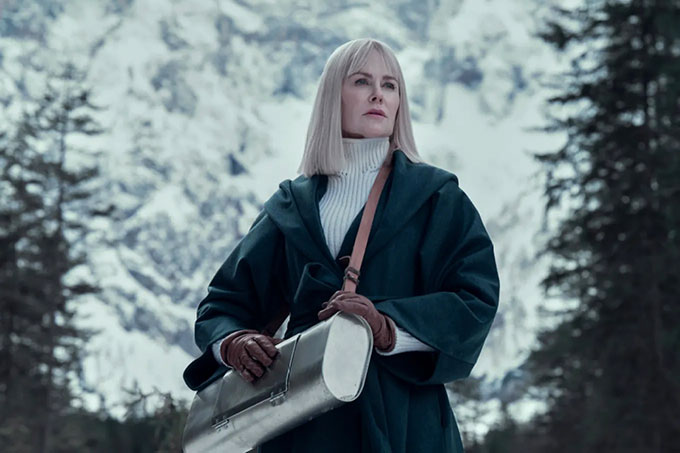
The Prime Video series, which has been described as Gwyneth Paltrow’s Goop’s coupled with an Agatha Christie murder mystery, has Nicole Kidman play an elusive and shady wellness leader. Eerily inspired by Paltrow’s wardrobe, Masha (Kidman) wears a lot of white and minimalist clothing in the first season, courtesy costume designer Alix Friedberg, who was also inspired by eastern prophets and Kundalini yoga masters. In the second season, designer Lizzy Gardiner opts for sharper and edgier looks. A blonde bob wig, luxury fabrics, well-tailored suits, prominence of velvet and silk, wide-leg trousers—all give a glimpse into Masha’s headspace.
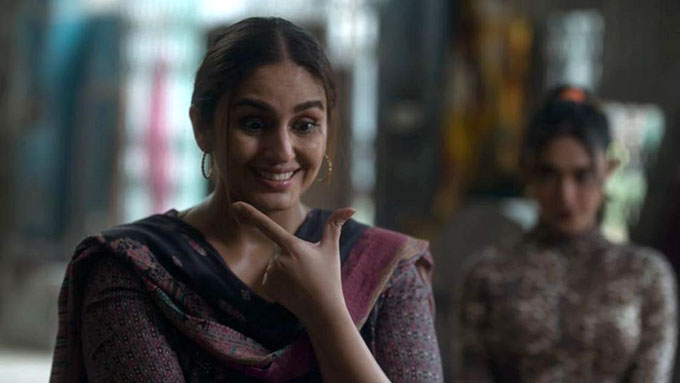
Badi Didi in Delhi Crime, Season 3
Huma Qureshi plays Badi Didi, a human trafficker in the critically acclaimed Netflix series. As Badi Didi, costume designers Kirti and Maria dress Qureshi in unsettlingly prosaic salwar suits—indistinguishable from the ones you see regular women wear in their day-to-day life. Her bright, at times garish, lipsticks stand out far more than her everyday wardrobe, which helps her blend in and play the nefarious villain to the hilt.
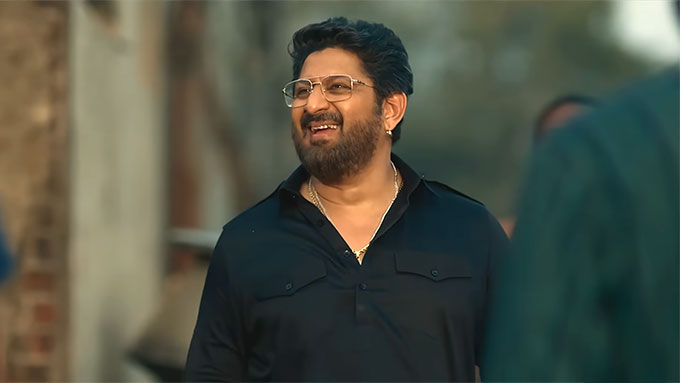
Ghafoor in Ba***ds of Bollywood
In Aryan Khan’s cheeky and pulpy satire on Bollywood, Arshad Warsi stars as an underworld don, who is hired by the protagonist to blackmail a studio head. As Ghafoor, Warsi wears aviator-style glasses, and a black Pathani-suit, which evokes stereotypical Muslim imagery. But even as he conforms to troubling conventions in his aesthetic, much like other storylines and characters, he exists to subvert assumptions. The wardrobe, impactfully, aids this purpose.
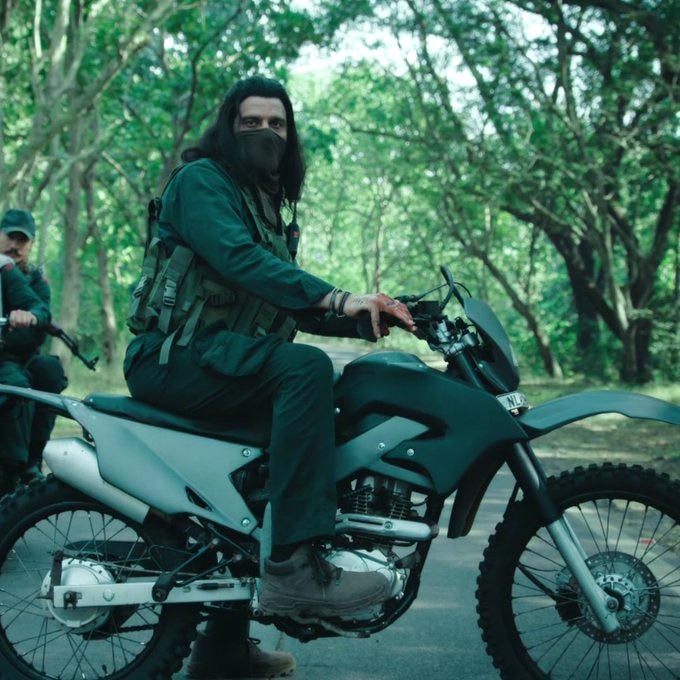
Rukma in Family Man, Season 3
As Rukma, the main antagonist of the latest season of the Prime Video show, Jaideep Ahlawat’s wardrobe is functional and everyday. Like Badi Didi in Delhi Crime, his clothing is informed by realism too. Ahlawat’s Rukma is a rugged arms dealer, and as a hitman, he wears practical boots, and layers his clothes—jackets and coats over shirts, procured from any ubiquitous retail chain. As opposed to the show’s previous villains who had an element of slickness, costume designer Neha R. Bajaj gives us an intense and grounded, at times fragile, Rukma. He wears earthy, muted colours, with no flash, no grooming that would suggest material aspiration, only motivated by revenge.
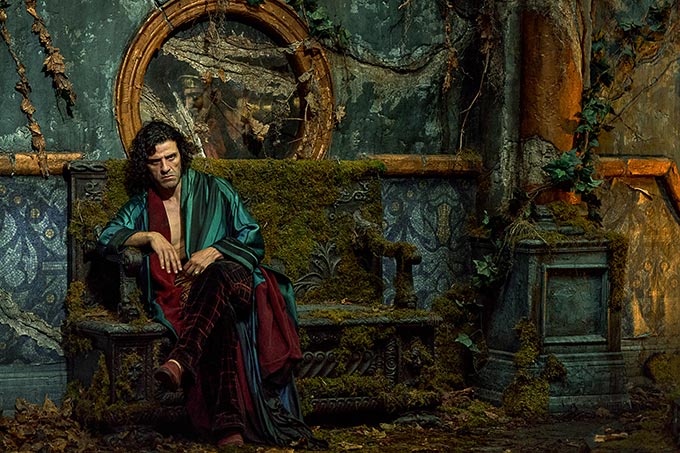
Victor Frankenstein in Frankenstein
Guillermo Del Toro’s adaptation of Mary Shelley’s gothic novel is deeply tender, but also incredibly stylish with pops of blue and red characterising the wardrobe of major characters. Victor Frankenstein, played by Oscar Isaac, wears clothing that pronounces his wealthy status, but also shows his irreverence as he works with human bodies and blood. “He (Del Toro) was very clear about Victor being a dandy and an artist,” costume designer Kate Hawley said in an interview, also sharing how she took inspiration from Mick Jagger to add a punk effect. The scientist wears luscious velvet coats and dressing gowns, contrasting his look with that of the creature, Frankenstein’s monster, played by Jacob Elordi, who is only able to wear dark, scrappy coats, bandages, and whatever piece of cloth he is able to source from his environment. Hawley’s design reinforced a character who was unsettling and unhinged.
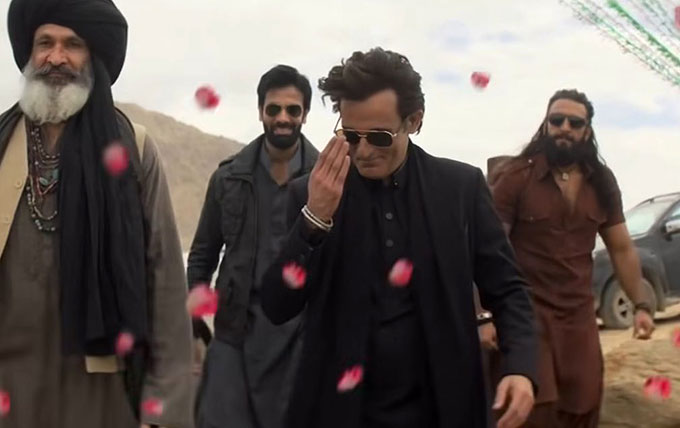
Rehman Dakait in Dhurandhar
While Aditya Dhar’s latest film might be catching flak for its jingoistic overtones and gore, Akshaye Khanna’s fanbase is rejoicing the resurgence of an actor who made himself scarce in mainstream films in the last few years. In Rehman’s now-viral Fa9la dance scene, Khanna wears a long black buttoned kurta, black stole, matching trousers and a wig with soft waves, showcasing a receding hairline. It is a simple and impactful choice, made by costume designer Smriti Chauhan, which lets his magnetism come through without overpowering his commanding screen presence.
SOURCE: Dressed to Kill 2025: When bad people (on-screen) look good
At Shaakara Africa, we celebrate the vibrancy and diversity of African fashion, beauty, entertainment & lifestyle. Our platform serves as a nexus where beauty meets business, offering an online open market for public awareness of various bargains and offerings. We speak beauty, fashion, entertainment, and lifestyle, providing a space where businesses can showcase their products and services to a broader audience.
Join us in exploring and showcasing African virtues through our engaging content and vibrant community.
For inquiries and ad placements, call +234 911 416 6874.
Let’s amplify more Joys. Let’s wear Africa boldly. Let’s tell our stories through style.





Leave a Reply